Common Symptoms Requiring Sewer Line Repair & Replacement
Professional Solutions for Sewer Line Repair & Replacement
Underground sewer lateral pipes connect your home to municipal wastewater mains under public streets. Aging clay, cast iron, and early plastic Orangeburg sewer lines face severe structural pressures from soil settlement, heavy vehicular loads, and microscopic root hair infiltration. Seeking moisture and nitrogen, aggressive tree roots penetrate tiny pipe joints, expanding into dense woven masses that trap toilet paper and solid waste, resulting in catastrophic indoor backups.
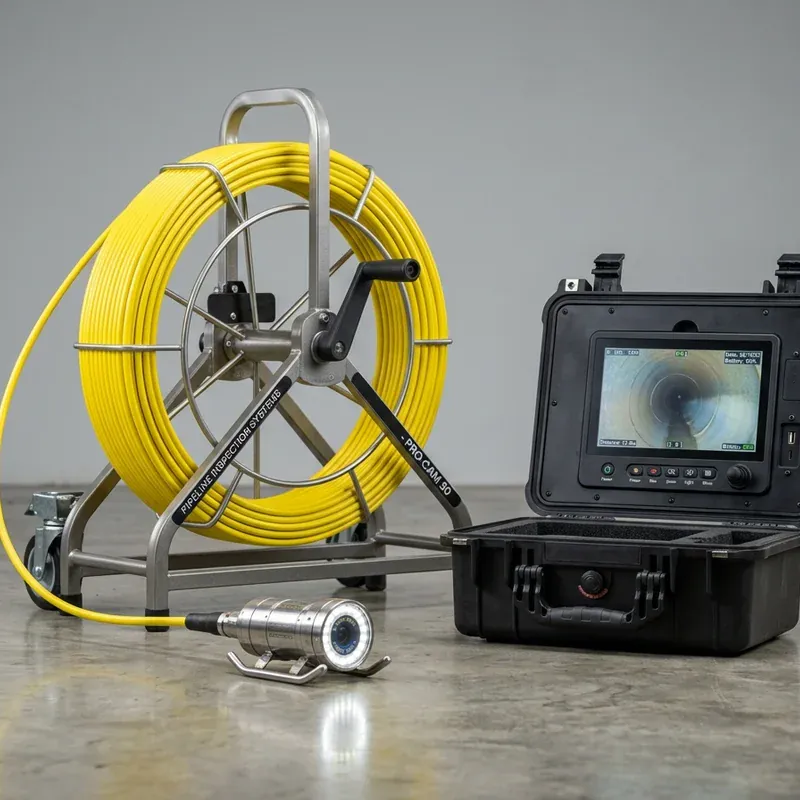
Modern sewer restoration avoids the devastation of traditional trench digging through mature landscaping and paved driveways. Plumbers deploy fiber-optic cameras equipped with radio transmitters to document offsets, cracks, and root intrusion on video monitors. Where pipes are structurally sound, cured-in-place pipe (CIPP) lining installs an epoxy-saturated sleeve that hardens into a seamless, root-proof pipe within the old line.
Our Technical Diagnostic & Repair Protocol:
- Self-leveling color fiber-optic camera inspection through the main exterior cleanout
- Digital radio sonde tracking to map exact pipe depth and underground location
- Heavy-duty mechanical root sawing or high-pressure hydro-jetting to restore flow capacity
- Trenchless cured-in-place epoxy pipe lining (CIPP) or hydraulic pipe bursting installation
Frequently Asked Questions About Sewer Line Repair & Replacement
A fiber-optic camera travels through the sewer lateral, transmitting real-time color footage of root intrusion, cracked pipe walls, bellies, and grease blockages to a monitor.
Trenchless methods like CIPP relining restore pipes underground without excavating lawns, driveways, or patios, saving significant restoration costs and completing faster.
Tree roots seek warm water vapor and organic nutrients escaping through porous mortar joints, growing inside pipes until dense root tangles choke sewage flow.
A pipe belly is a sunken segment where soil shifted beneath the line. Standing wastewater pools in the low spot, collecting solid debris that causes frequent blockages.
Property owners are responsible for the upper sewer lateral extending from the home to the municipal main connection, while the city maintains the central collection main.
Seamless epoxy CIPP liners boast an operational design life exceeding fifty years, creating a smooth jointless barrier impervious to root intrusion and corrosive gases.
A cracked sewer lateral or broken cleanout cap allows sewer methane and hydrogen sulfide gases to vent into ground-level air instead of traveling up roof vents.
Technicians inspect pipe wall thickness via camera first; if cast iron has lost its structural bottom channel, trenchless relining or bursting is recommended over jetting.
Have questions about your specific plumbing system? Speak directly with an on-call dispatcher.
Speak With a Plumber: 877-631-0569Need Sewer Line Repair & Replacement Today?
Avoid escalating water damage and structural hazards. Reach out to our dispatch desk now for prompt, upfront pricing and on-call technician dispatch.
Call Now: 877-631-0569