Common Symptoms Requiring Leak Detection & Pipe Repair
Professional Solutions for Leak Detection & Pipe Repair
Concealed potable water lines hidden beneath poured concrete foundation slabs or inside finished wall chases can develop minute pinhole leaks from chemical pitting or friction against structural framing. Over weeks of silent discharge, subterranean leaks erode supporting subgrade soils, undermine structural foundation footings, and wick moisture upward into baseboards and flooring materials. Traditional exploratory demolition often inflicts costly cosmetic damage while failing to identify the true failure point.
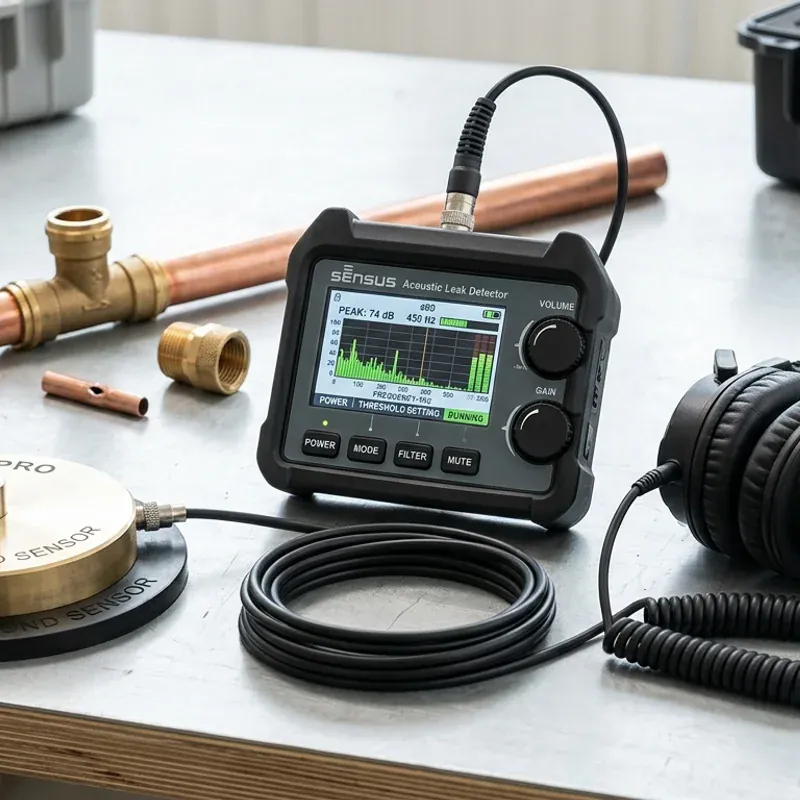
Acoustic leak detection relies on non-invasive diagnostic science. Plumbers use calibrated acoustic listening discs that pick up the precise vibrational frequency of escaping pressurized water beneath inches of concrete. Combined with digital thermal sensors that map temperature differentials created by warm or cold water plumes, technicians isolate line fractures within inches. We then provide surgical spot repair or clean overhead PEX bypass solutions.
Our Technical Diagnostic & Repair Protocol:
- Static water meter flow testing to confirm active pressurized supply line leakage
- Ultrasonic acoustic listening sensor deployment to isolate high-frequency subterranean hissing
- High-resolution infrared thermal imaging to identify moisture trails concealed behind sheetrock
- Precision mechanical copper pipe soldering or modern overhead PEX line rerouting
Frequently Asked Questions About Leak Detection & Pipe Repair
Turn off all indoor and outdoor faucets completely, inspect the small red or blue flow indicator dial on the municipal water meter, and watch for movement over fifteen minutes.
Shifting foundation soil, abrasive friction against gravel bedding, and chemical corrosion from acidic groundwater corrode subterranean copper supply lines over time.
Technicians use ultrasonic acoustic microphones to detect the sonic signature of escaping water, corroborated by thermal imaging cameras that trace temperature plumes.
Direct repairs break concrete locally to replace the leaking fitting, whereas overhead reroutes bypass damaged subterranean pipes completely using modern PEX routed through attics.
Yes. Even a pinhole leak releasing a single gallon per hour discharges over seven hundred gallons weekly, rotting structural studs and promoting toxic mold growth.
A warm floor patch indicates an active leak on a hot water supply line buried within or beneath the concrete slab transferring heat through tile or concrete.
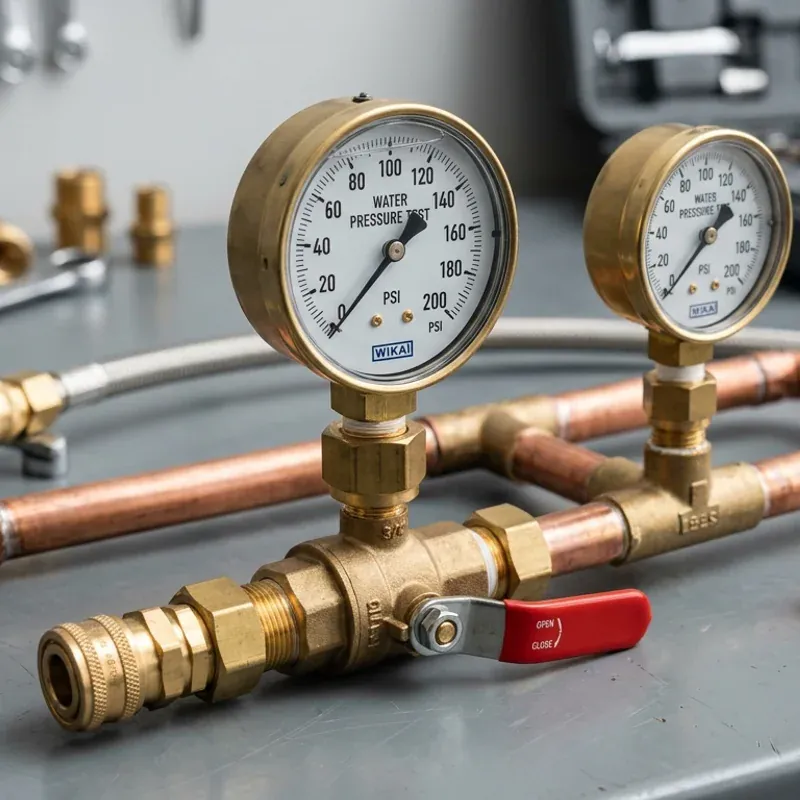
Excessive water pressure over seventy-five PSI accelerates pipe erosion, strains soldered joints, and triggers premature copper wall failure through hydraulic turbulence.
Place a bucket beneath the lowest bulge, carefully puncture the center with a small screwdriver to release trapped water, and shut off the main water valve immediately.
Have questions about your specific plumbing system? Speak directly with an on-call dispatcher.
Speak With a Plumber: 877-631-0569Need Leak Detection & Pipe Repair Today?
Avoid escalating water damage and structural hazards. Reach out to our dispatch desk now for prompt, upfront pricing and on-call technician dispatch.
Call Now: 877-631-0569